
Why Digital Wins
Glass-to-glass explained
Follow the video path from camera sensor to the operator's display and see where performance is won or lost.
Engineered for the real world
Understand how range, signal interference, and multi-node network topologies affect video quality, and how Mesh Rider® networks keep the link intact.
Actionable integration guidance
From interface options to configuration steps, this white paper shows OEMs how to deploy IP video streaming today.
Stream Glass-to-Glass Over IP
-
What Ukraine’s drone war shows about analog’s limits under jamming
-
Analog vs. digital vs. fiber across latency, jam resistance, intercept risk, cost, range and mobility
-
How ModalAI’s VRx video and Mesh Rider form an integrated, Blue UAS-positioned stack
-
What compliance, export classification and lead times mean for attritable programs
Built for Teams Fielding Digital FPV.
For anyone moving a video and control link from analog to IP — commercial inspection or contested-environment defense.
-
Drone OEMs & integrators
-
Defense program managers & procurement teams
-
FPV platform developers
-
Commercial OEMs moving off analog
Your Mission Demands Networked, Secure Feeds
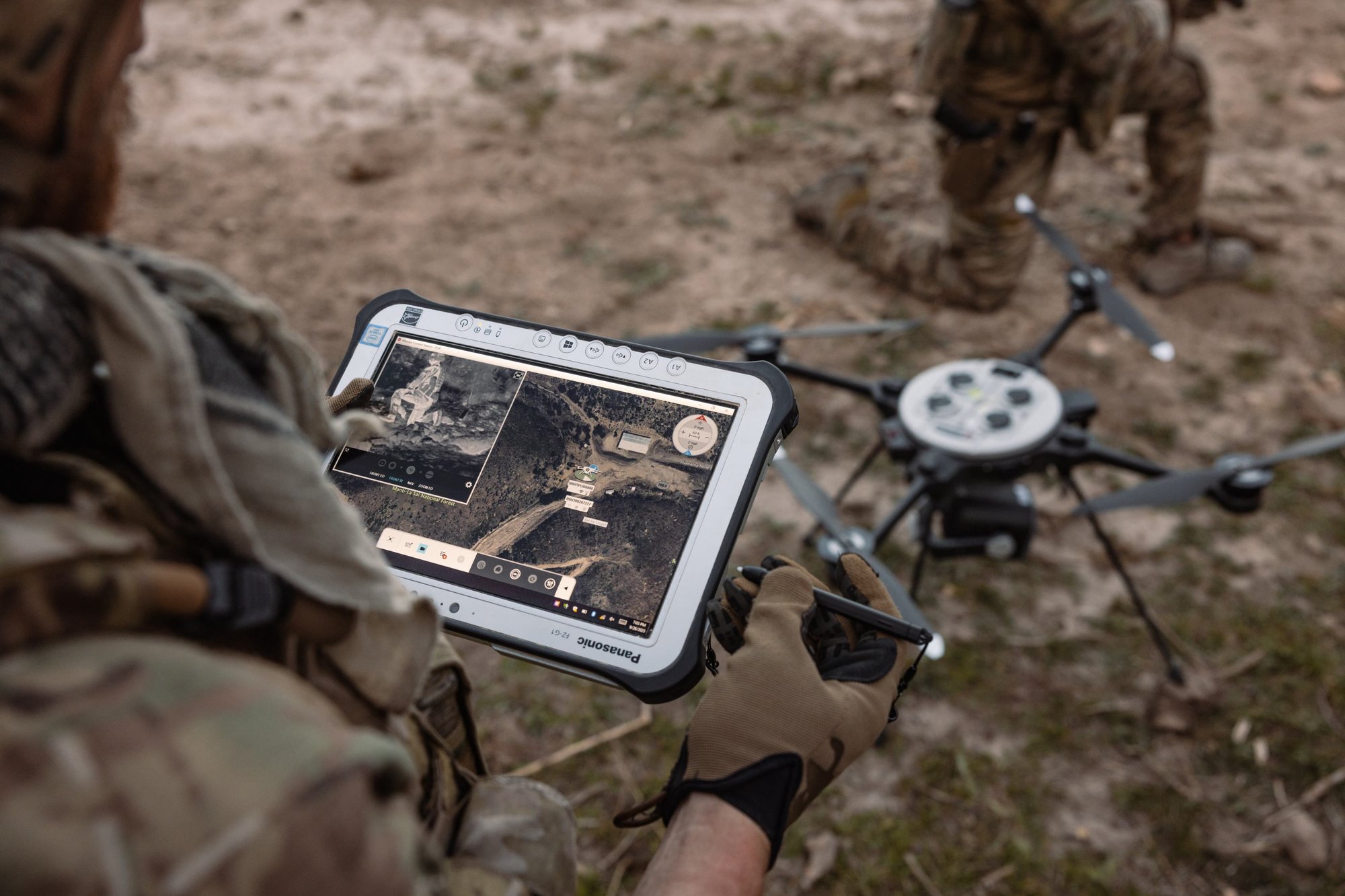
Drone video has gone digital. Operations now demand networked, secure, multi-viewer feeds. Analog point-to-point links can no longer keep up.
Analog FPV delivers one feed to one screen. IP-based streaming makes video routable, securable, and shareable across an entire network.
Frequently Asked Questions
What does "glass-to-glass" mean?
The full video path from the camera sensor on the aircraft to the pixel on the operator's display. The white paper covers where latency and quality get won or lost along that path.
Do I need Doodle Labs or ModalAI hardware to use this?
No. The framework applies to any team building or evaluating a digital FPV video and control link. The whitepaper also documents the specific ModalAI + Doodle Labs integration for teams using both.
How is this different from analog FPV?
Analog sends one unencrypted feed to one screen on a fixed frequency. IP video is encrypted, frequency-agile, and routable to multiple viewers or mesh nodes. The tradeoffs are covered in Section 2 of the paper.